#222: PRITZKER PRIZE 2026 – SMILJAN RADIC CLARKE | WHAT IS ARCHITECTURE?
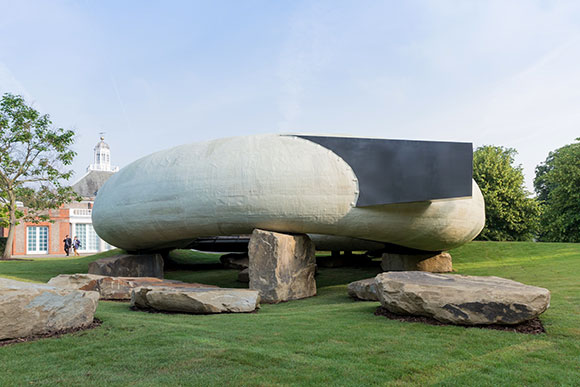
2014 Serpentine Pavilion, London, England (photo by Iwan Baan)
What is a building, and how exactly do we define architecture? A few weeks ago, the annual Pritzker Prize (architecture’s highest honor) was awarded to Chilean architect, Smiljan Radic Clarke. As we ponder what a building is and is not, he challenges our understanding of enclosing space and building for shelter.
Some past Pritzker recipients fall into the category and cliche of “Starchitect.” Such an architect of rock star status often possesses a portfolio of high-profile commissions, projects desperately wanting to be magazine-cover-worthy. The prestigious work from the elite Starchitects grace our cities with glitzy glamour and obviousness. The style of signature Pritzker architects like Gehry, Mayne, Hadid, Meier, etc. propels one’s reputation into the stratosphere through the branding of recognizable and easy-to-digest aesthetics. For all their talents, many of the Starchitects are predictable in their Starchitecture.
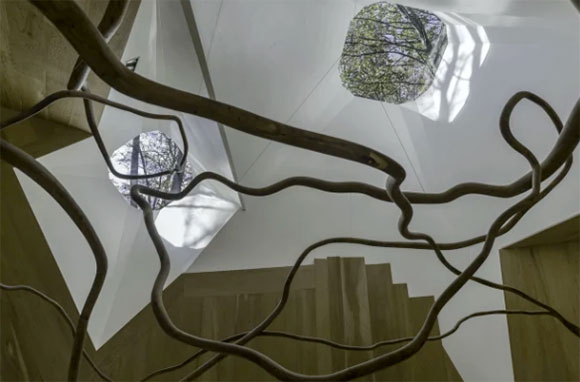
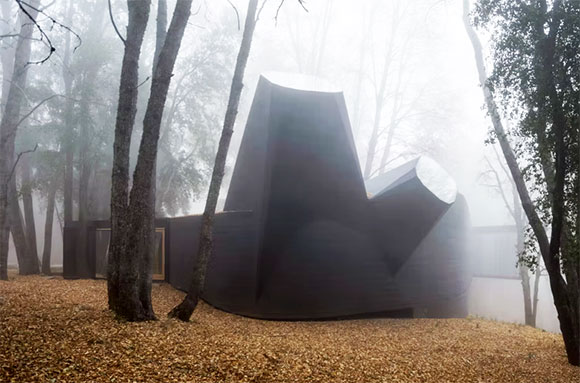
With Smiljan Radic Clarke’s work, we take a breather and celebrate his break from Starchitecture and the mainstream as well. We embrace his stark contrast from the expected. Radic’s work is unconventional, unorthodox, even bizarre. In 2008, Architectural Record spoke of his “alien forms,” stating “the hand of an outsider is at play.” Who doesn’t enjoy watching a non-conformist or iconoclast, someone willing to buck the systemic rules?
Radic’s architecture is original, which can possess the danger of being novel for novel’s sake. But his surreal structures are grounded in a keen understanding of materials, means, and methods—and an embrace of the natural environment. Some buildings straddle the primitive iconography of a ruin or even antiquity, and through this lens, his work is anchored to the past, never frivolous.
The 2026 Pritzker jury observes, “Through a body of work positioned at the crossroads of uncertainty, material experimentation, and cultural memory, Smiljan Radić favors fragility over any unwarranted claim to certainty. His buildings appear temporary, unstable, or deliberately unfinished—almost on the point of disappearance—yet they provide a structured, optimistic, and quietly joyful shelter, embracing vulnerability as an intrinsic condition of lived experience.”
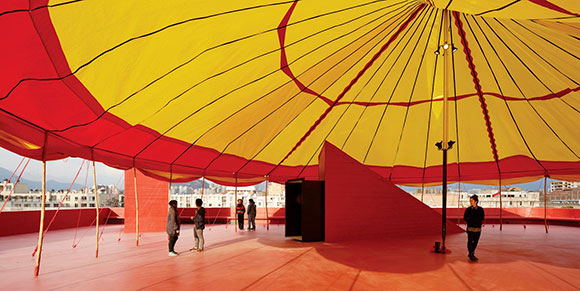
For advocates of classicism, an essential definition for a building comprises: 1) bottom, 2) middle, and 3) top—derived from the human body, as in 1) feet, 2) body, and 3) head. In traditional columns, we have 1) base, 2) shaft, and 3) capital. But none of this kind of historicism burdens Radic’s designs. He tests our loyalties to reductive design agendas. He confronts beauty, proportion, and other such codes of times long past.
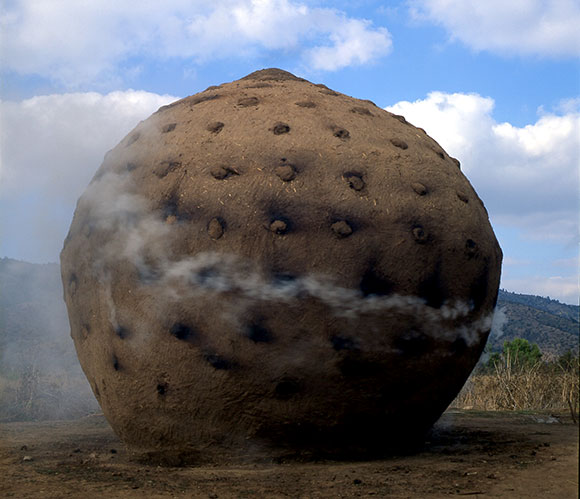
Consider for example, his Charcoal Burner’s Hut in Melipilla, with walls of clay, straw, and thorny wood baked together. The resulting haunting apparition far differs from the expected grandeur of a Pritzker winner’s phallic skyscraper or shiny museum.
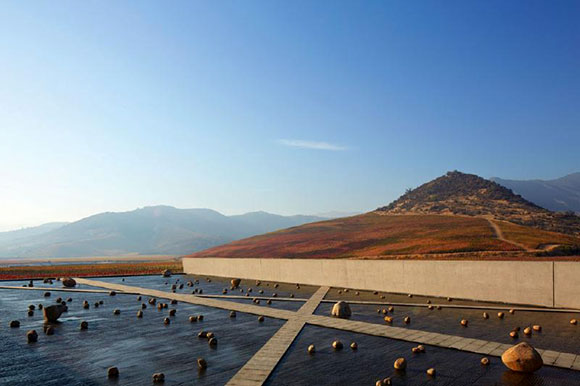
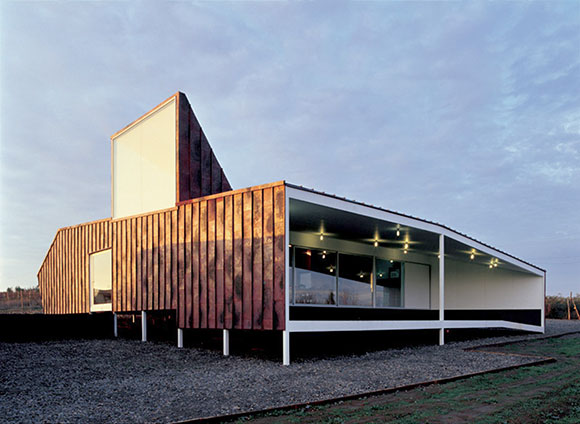
With the VIK Winery, where is the architecture? Where does the building end and its surrounding begin?
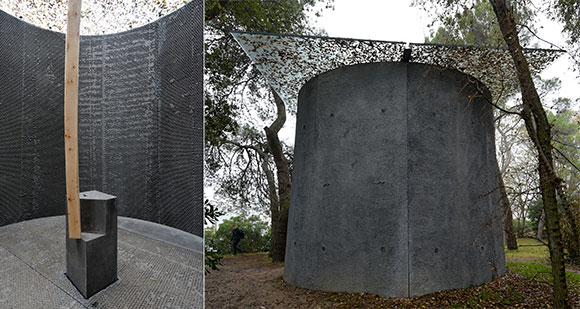
What do we make of Radic’s raw and curious Vatican Chapel, one of ten chapels commissioned for the 2018 Venice Architecture Biennale? His solution is both potentially vernacular and crudely simple.
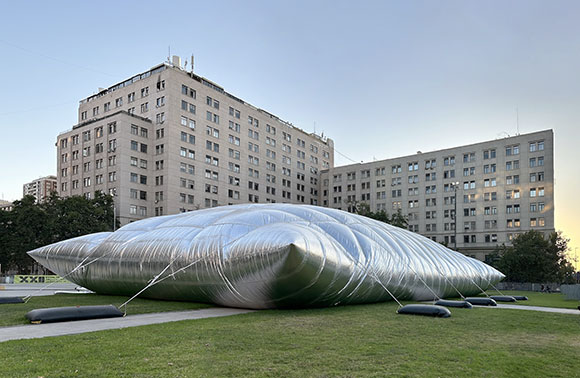
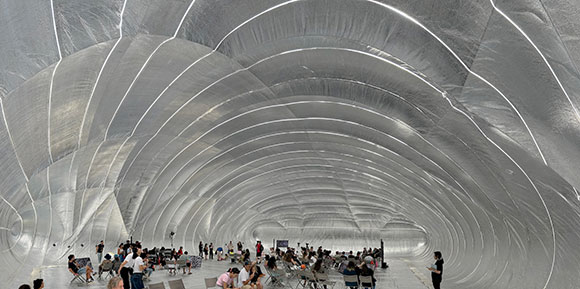
Or study Radic’s Guatero pavilion in Santiago, an intentionally unstable, structureless, pneumatic form that looks like a silver pillow for a giant. Is this architecture? Emphatically yes.
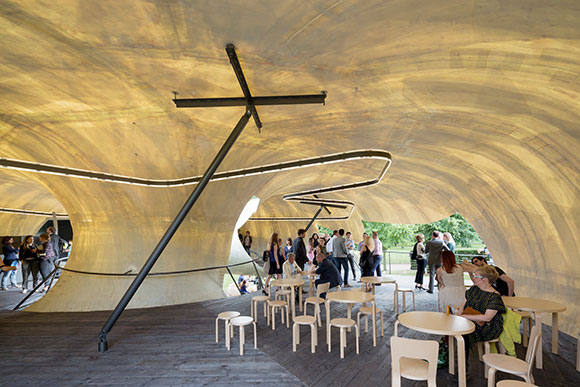
Smiljan Radic Clarke, the 55th Pritzker Prize Laureate, marches to the beats of his own drum. Upon winning the prestigious Serpentine commission a decade ago, he aptly responded to the honor, “It means I must be myself.”