Tag Archives: SHELTER

#222: PRITZKER PRIZE 2026 – SMILJAN RADIC CLARKE | WHAT IS ARCHITECTURE?
April 3, 2026

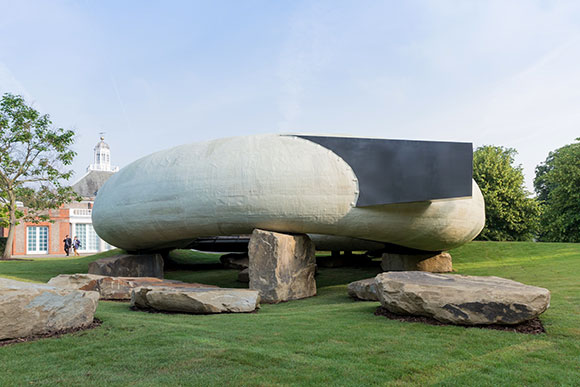
2014 Serpentine Pavilion, London, England (photo by Iwan Baan)

What is a building, and how exactly do we define architecture? A few weeks ago, the annual Pritzker Prize (architecture’s highest honor) was awarded to Chilean architect, Smiljan Radic Clarke. As we ponder what a building is and is not, he challenges our understanding of enclosing space and building for shelter.
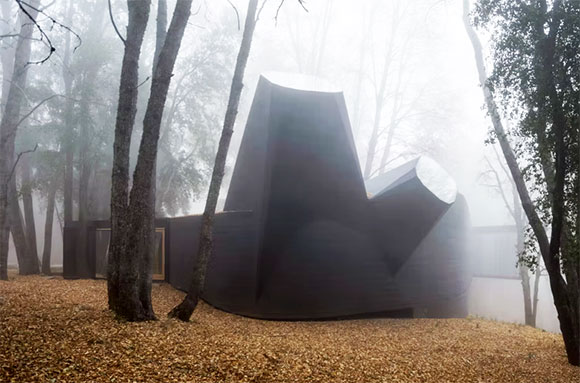
House for the Poem of the Right Angle, Vilches, Chile (photo by Gonzalo Puga)

Some past Pritzker recipients fall into the category and cliche of “Starchitect.” Such an architect of rock star status often possesses a portfolio of high-profile commissions, projects desperately wanting to be magazine-cover-worthy. The prestigious work from the elite Starchitects grace our cities with glitzy glamour and obviousness. The style of signature Pritzker architects like Gehry, Mayne, Hadid, Meier, etc. propels one’s reputation into the stratosphere through the branding of recognizable and easy-to-digest aesthetics. For all their talents, many of the Starchitects are predictable in their Starchitecture.
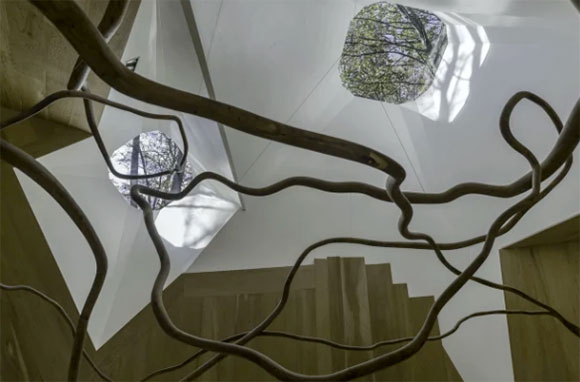
House for the Poem of the Right Angle, Vilches, Chile (photo by Cristobal Palma and Gonzalo Puga, The Pritzker Architecture Prize)

With Smiljan Radic Clarke’s work, we take a breather and celebrate his break from Starchitecture and the mainstream as well. We embrace his stark contrast from the expected. Radic’s work is unconventional, unorthodox, even bizarre. In 2008, Architectural Record spoke of his “alien forms,” stating “the hand of an outsider is at play.” Who doesn’t enjoy watching a non-conformist or iconoclast, someone willing to buck the systemic rules?
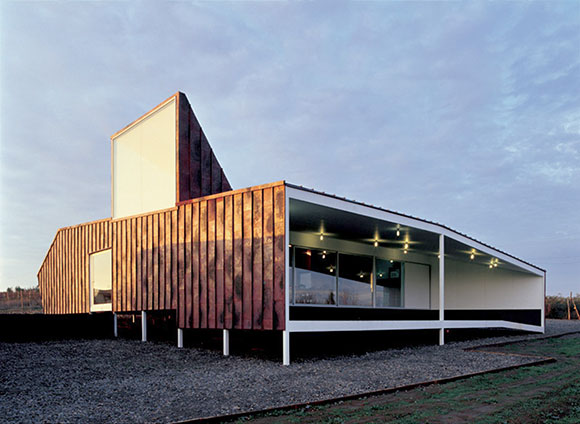
Copper House 2, Talca, Chile (photo by Cristóbal Palma)

Radic’s architecture is original, which can possess the danger of being novel for novel’s sake. But his surreal structures are grounded in a keen understanding of materials, means, and methods—and an embrace of the natural environment. Some buildings straddle the primitive iconography of a ruin or even antiquity, and through this lens, his work is anchored to the past, never frivolous.

The 2026 Pritzker jury observes, “Through a body of work positioned at the crossroads of uncertainty, material experimentation, and cultural memory, Smiljan Radić favors fragility over any unwarranted claim to certainty. His buildings appear temporary, unstable, or deliberately unfinished—almost on the point of disappearance—yet they provide a structured, optimistic, and quietly joyful shelter, embracing vulnerability as an intrinsic condition of lived experience.”
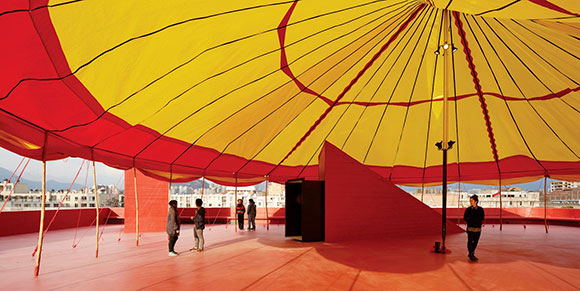
NAVE, Santiago, Chile (photo by Cristobal Palma)

For advocates of classicism, an essential definition for a building comprises: 1) bottom, 2) middle, and 3) top—derived from the human body, as in 1) feet, 2) body, and 3) head. In traditional columns, we have 1) base, 2) shaft, and 3) capital. But none of this kind of historicism burdens Radic’s designs. He tests our loyalties to reductive design agendas. He confronts beauty, proportion, and other such codes of times long past.
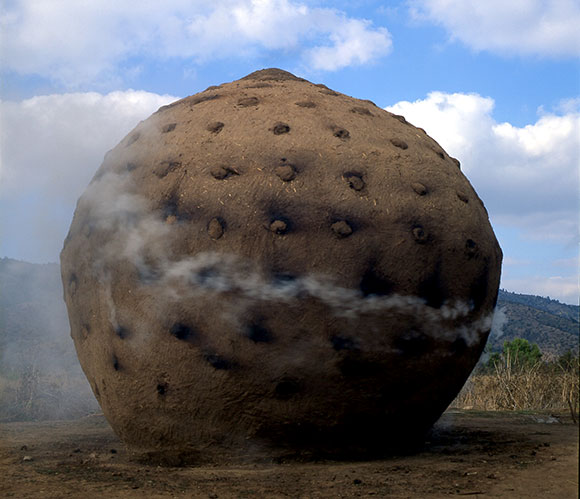
Charcoal Burner’s Hut, Melipilla, Chile (photo by Smiljan Radić Clarke)

Consider for example, his Charcoal Burner’s Hut in Melipilla, with walls of clay, straw, and thorny wood baked together. The resulting haunting apparition far differs from the expected grandeur of a Pritzker winner’s phallic skyscraper or shiny museum.
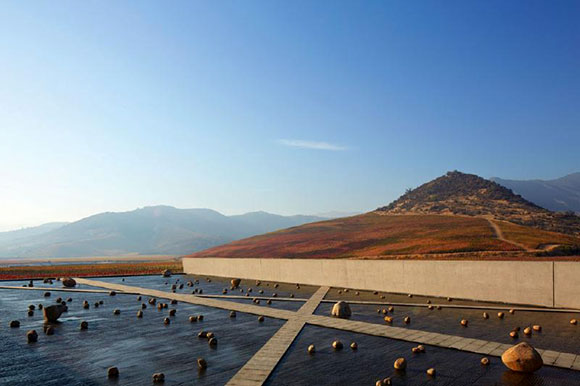
VIK Winery, Millahue Valley, Chile (photo by Cristobal Palma / Estudio Palma)

With the VIK Winery, where is the architecture? Where does the building end and its surrounding begin?
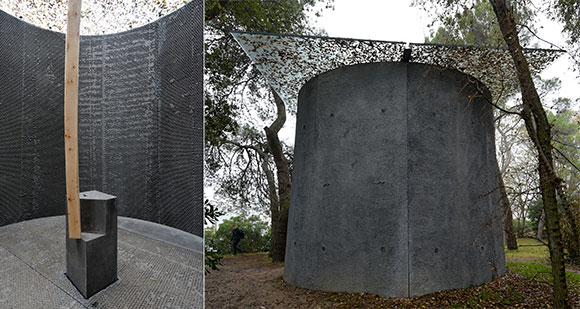
Vatican Chapel, Venice, Italy (photo by Petr Smidek)

What do we make of Radic’s raw and curious Vatican Chapel, one of ten chapels commissioned for the 2018 Venice Architecture Biennale? His solution is both potentially vernacular and crudely simple.
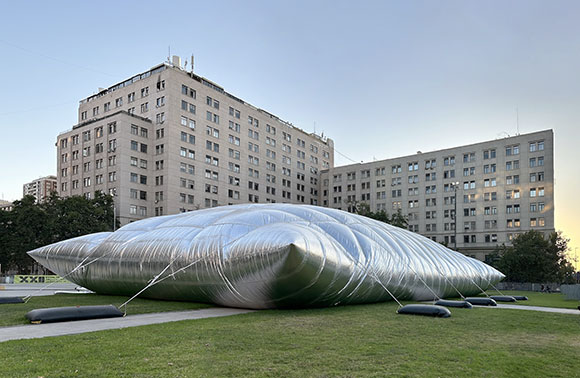
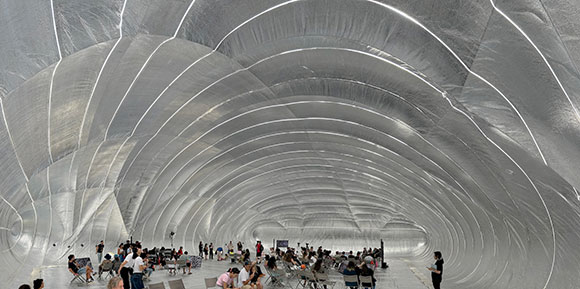
Guatero, Santiago, Chile (photo by Smiljan Radić)

Or study Radic’s Guatero pavilion in Santiago, an intentionally unstable, structureless, pneumatic form that looks like a silver pillow for a giant. Is this architecture? Emphatically yes.
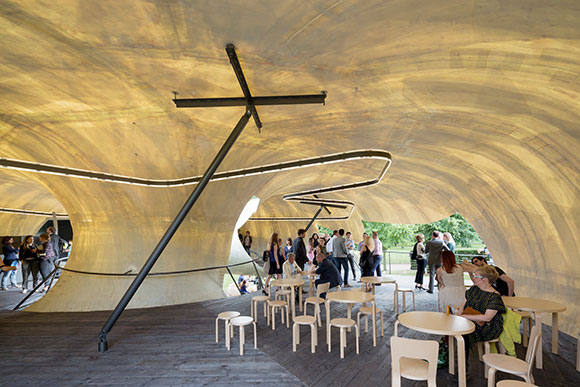
2014 Serpentine Pavilion, London, England (photo by Iwan Baan)

Smiljan Radic Clarke, the 55th Pritzker Prize Laureate, marches to the beats of his own drum. Upon winning the prestigious Serpentine commission a decade ago, he aptly responded to the honor, “It means I must be myself.”
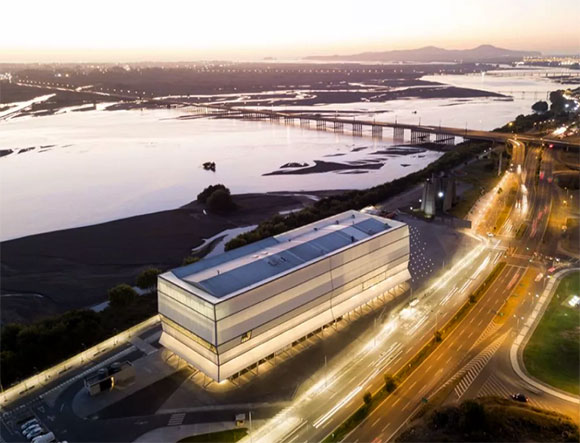

Teatro Regional del Bío-Bío, 2018, Concepción, Chile (photo by Iwan Baan, The Pritzker Architecture Prize)


#13: TO ACCOMODATE AND TO DEFER

July 20, 2015

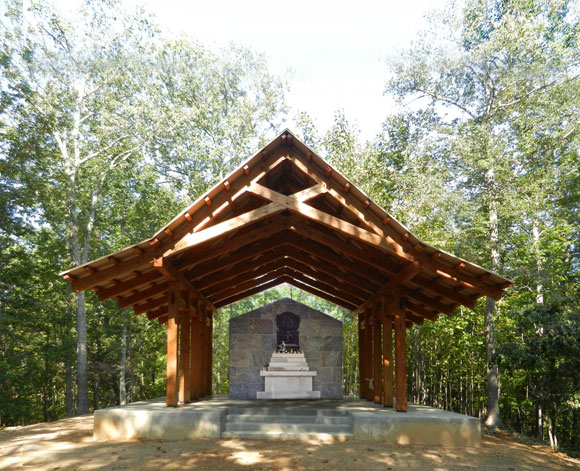
Buddhist Temple by Poon Design

In its purest form, architecture is shelter. Architecture protects us from many things. It shelters us from the elements, like soaking rain or blistering sun. Architecture also defends—from trespassers or the relentless noise of the city.

But architecture is more than a roof over your head, more than a wall against intruders. Architecture is more than psychological armor, and more than a physical fortress. Architecture is much more than something that guards us from the negative.

In fact, architecture is a container of the positive. As a place of gathering, architecture is a vessel of experiences and events, whether for a family in a house, students in a school, or employees at a company.

Architecture is a place to rest. To learn. To grow. To connect. Architecture is also a place to retreat.

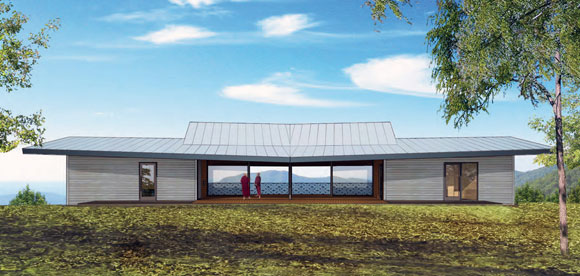
Assembly Building by Poon Design

For a 45-acre Buddhist retreat in the Shenandoah Mountains of Virginia, Poon Design created three buildings, with more to come. Our buildings were designed with no agendas to win national design awards or garnish attention from the press, as did the ambitious yet curious museum in a nearby town. For Poon Design’s work with the Buddhists, I had no political thoughts to advance my career. I had no proclamations of launching a new style of design. Poon Design simply sought to create vessels for gathering.

The Taubman Museum of Art, Roanoke, Virginia, by Randall Stout (from visitroanokeva.com)

To begin with, I was blessed to be selected as the personal architect to Shamar Rinpoche (1952-2014) the 14th Shamarpa and the Red Hat Lama of Tibet, one of the most central figures of Buddhism, on par with the Dalai Lama. It isn’t every day one works personally with a high Tibetan lama descended from a line of holy men going back to the 13th Century.

Being in Rinpoche’s enlightened presence intimated to me that the architecture should plainly defer. Over six years with this Buddhist foundation, Poon Design created places to simply rest, learn, grow, and connect. We designed a temple, a meditation retreat house, and an assembly building.

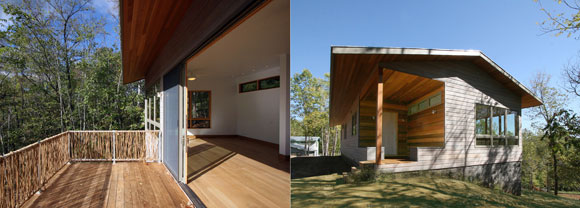
Meditation Retreat House by Poon Design

By being of modest design, our architecture acknowledges Buddhists teachings. Poon Design starts with vernacular language, for example a wood barn and a gable roof. When Googling “vernacular,” one finds the definition as “the language spoken by the ordinary people in a particular region,” and “architecture concerned with domestic and functional rather than monumental buildings.”

So there it is: architecture that is intentionally non-monumental. The beauty of the ordinary.

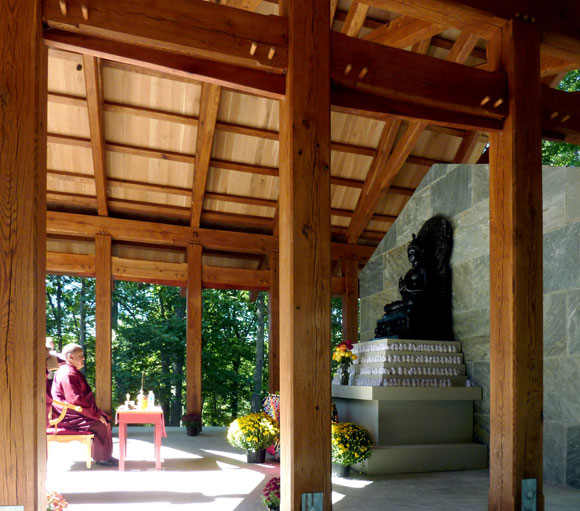
Buddhist Temple by Poon Design, blessing ceremony with Shamar Rinpoche (photo by Christine Fang)

With the Buddhist temple, we subscribe to the vernacular–both in construction method and the stylistically neutral design. This pavilion, atop a 150-foot hill, is hand-crafted by community labor through authentic heavy timber construction methods. This methodology transforms tree trunks into extraordinary structures, without modern techniques of fabrication. The laborious carpentry from local woodworking artisans features joinery that uses scribed carpentry and pegged mortise-and-tenon connections.

The evolving master plan explores other possibilities: visitor center, museum, dormitory, cabins, administration building, and so on. When all said and done, the structures will be indeed shelter. And yes, the structures will provide a roof over one’s head. But all these projects, past and future, capture two essential aspects of architecture: to accommodate and to defer. A lesson in design, and sometimes, in life as well.

© Poon Design Inc.