#157: “BE WATER, MY FRIEND”
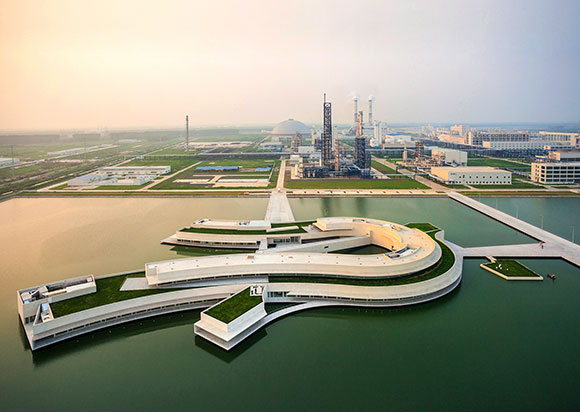
Throughout architecture, the element of water has played an impactful role—whether as a lead actor or the backdrop. Of the many ways water has been employed in design, five come to mind.
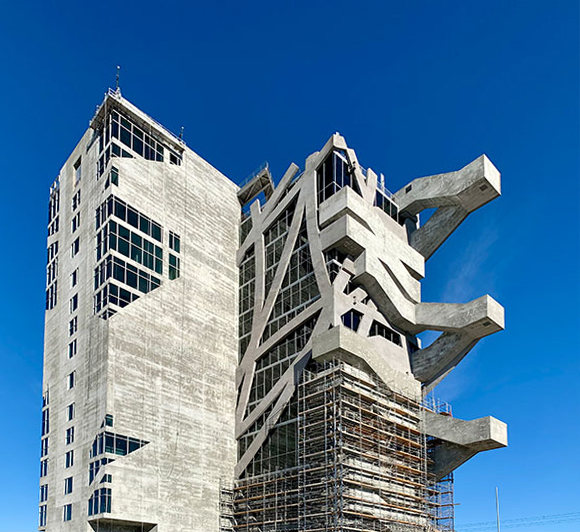
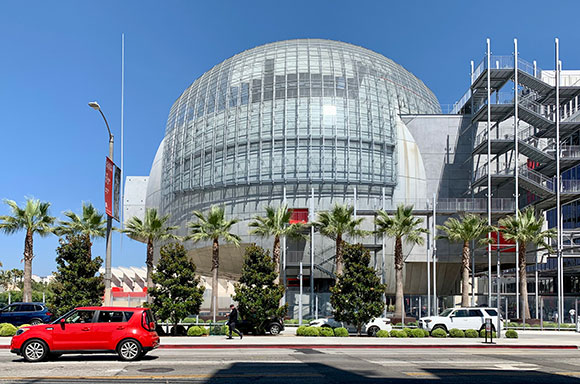
My first thought is simply this: weird. But is weird a bad thing? After years of delay, the $484-million Academy Musuem of Motion Pictures finally opened late last year. Designed by Pritzker-prized Renzo Piano with local Gensler as executive architect, the results are indeed weird.
“The interdisciplinary architect discusses his first novel, the relationship between architecture and music, and designing for everyone. Anthony Poon has a story to tell. Actually, he has many stories to tell—some in written form, others in the language of architecture, music, or painting.” So writes journalist Brian Libby for a recent article in Metropolis.
Whether a company, institution, or even an individual, it is imperative to establish a brand—a distinct identity, a unique look and feel that distinguishes from others. But whereas branding can help to establish a foothold in the marketplace, does it limit evolution of self?
The architect’s responsibility to society goes far beyond the state legislature of “protecting the health, safety, and welfare of the public.” Certainly, a design must ensure that a movie theater has the right number of emergency exits, for example. But social responsibility extends far beyond compliance with building codes. Just to name a few topics of accountability: carbon footprint reduction, community engagement, equity and equality, industry diversity, ethical labor practices, philanthropy, resilience, and affordability of housing.
Architects like to put their stamp on as much as possible, from the design of a chair to the whole house, from a theater to a museum. How about entire neighborhoods? When designing a community of homes, there are risks and rewards. Sure, the ego is stroked to see design ideas implemented across an urban fabric. But there are also pitfalls. Beware.