#229: THE INDUSTRY | THEY ARE A-CHANGIN’

Musée d'Orsay, Paris, France (photo by Guy Dugas on Pixabay)
It’s true: Life just gets more and more complicated. And so it is for the field of architecture. Do we yearn for simpler times—the cherished good ol’ days? Progress is good, supposedly. For better or worse, the evolution of business is inevitable. Bob Dylan said it well: “The order is rapidly fadin’. And the first one now will later be last. For the times, they are a-changin’.”
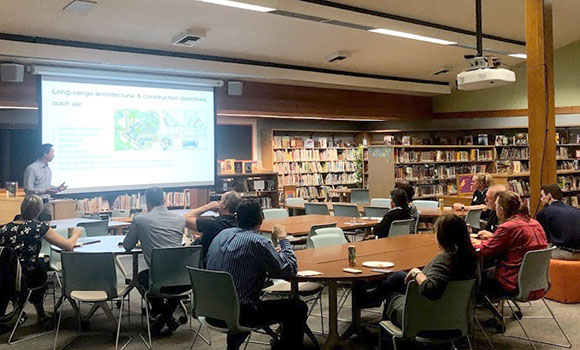
Architecture is a client service, and in the past, communication was primarily an in-person presentation at the architect’s office, followed by some phone calls, maybe a fax(!). Today, the portals of communication are not just endless and endlessly advancing: email, voicemail, texts, socials, WeChat/VoIP, FaceTime, Zoom/Teams/Meet, IM, chat rooms, ChatGPT, VR/AR/AI—so many more to come that we can’t even imagine. One day, my thoughts about a project may instantaneously appear within the consciousness of the client.

Take contracts. In the early days of “gentlemen relations,” a hand shake or one’s word sealed the deal. To quote Tom Cruise’s 1996 film, Jerry Maguire, “I don’t do contracts, but what you do have is my word. And it’s stronger than oak.”
Generations ago, the industry standard contract between architect and client from the American Institute of Architects (“AIA”) was a one- or two-page document. Today, the norm is the AIA B101 contract used in conjunction with the AIA A201—a total of 57 pages. Add in exhibits, recitals, definitions, general provisions, amendments, disclosures, and legal this-n-that. Don’t be surprised to see contracts nearing 100 pages.
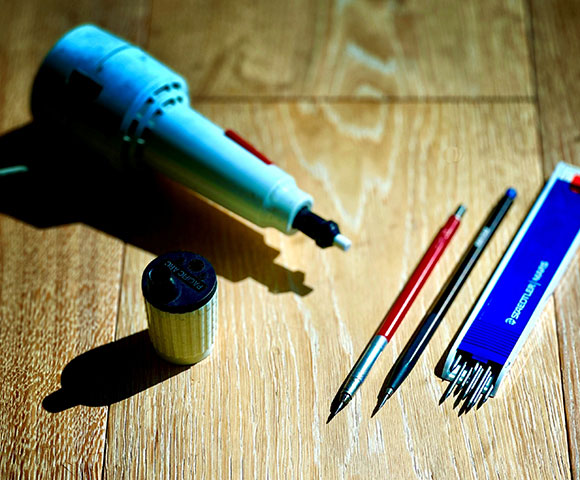
I recall that in my 20s, as a new employee, I only needed to bring basic drafting tools. The company supplied the necessary daily needs. Meaning, I brought my mechanical pencil, and the company supplied the lead sticks. Meaning, I brought my electric eraser, and the company supplied the eraser sticks.
These days, the tools have evolved from pencil and paper to the vast array of software, like Windows, Microsoft, Adobe, AutoCAD, Revit, 3ds, Enscape, SketchUp, and so on. Incoming like a meteor is AI. There is also the hardware, like a computer, multiple monitors, Cat6, battery backup, surge protector, and all sorts of ergonomic paraphernalia from an adjustable standing desk to a tilt-swivel keyboard tray.
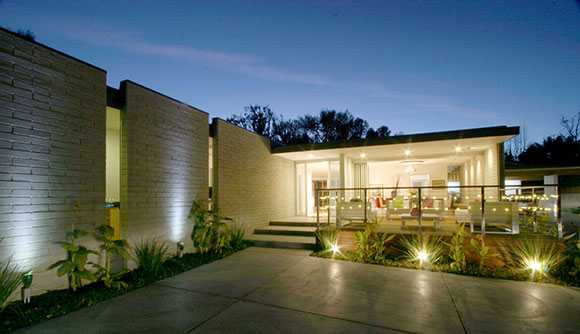
I remember when I could walk into the Plan Check counter for say, a house renovation. I would walk out with agency approvals within an hour or two. Today, that same project could take 6 to 12 months to be approved, as the single counter approach has been replaced by ever changing multiple departments on multiple floors in multiple buildings. And the times, they aren’t just a-changin’, codes and processes are a-changin’ so fast that the city departments themselves are sometimes unaware of their own changes.
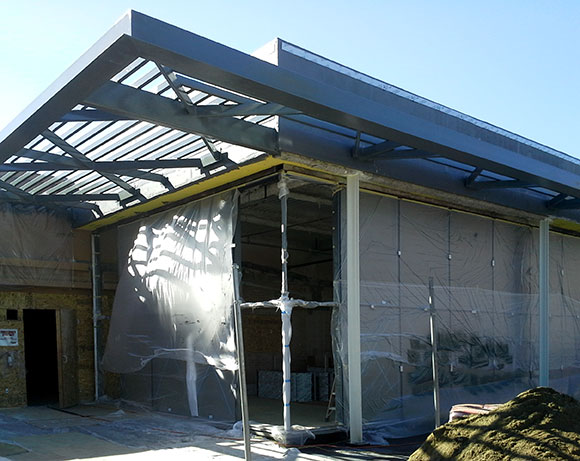
Construction was once a craft, performed by guilds of craftsmen and artisans. An architect’s construction drawings back then stated the design intent in a dozen or so sheets. From such drawings, the contractor/craftsmen knew what to do, took pride in what they were building.
For the present, that same project might require hundreds of drawings, notes, specifications, disclaimers, and endless details and dimensions—suggesting that the contractor will do it wrong, try to cut a corner to make a buck, and/or takes no interest in the design. Such ridiculously meticulous and exhaustive construction drawings become the unfortunate legal requirements that inherently pit an architect against a contractor, like a soon-to-be-married couple confronting a 100-page prenup.
The ol’ days of construction involved a master architect providing verbal direction at the site. That is replaced today by an architect drowning under extensive construction administrative services, such as: RFIs (Request for Information); submittals and samples: construction management software: meeting agendas and minutes; and numerous site meetings, video conferences, and office hours. The concept of craftsmen building with artisanal delight has been reduced to a subcontractor or vendor asking an architect to approve the nails and screws being used.

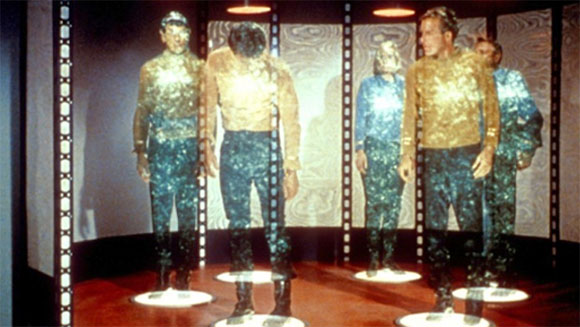
The thing about change today is that it isn’t just always happening; change is happening faster than we are prepared for. By the time today’s webinar on the ‘predictions of AI in the workplace’ has concluded, AI has already exceeded these predictions. We know change is coming down the road, but we don’t know what change is coming down the road. As we struggle to adapt to self-driving cars, flying cars are advancing in other countries. Perhaps the fictional Star Trek “transporter” is already a reality—“beaming” someone to any location or even another planet by dematerializing the person into energy.
Bob was astute:
“The battle outside ragin’
Will soon shake your windows and rattle your walls
For the times, they are a-changin’”