#227: “ON FIRES AND SOCIAL AGENDA,” PART 2 OF 2 | A TIPPING POINT?
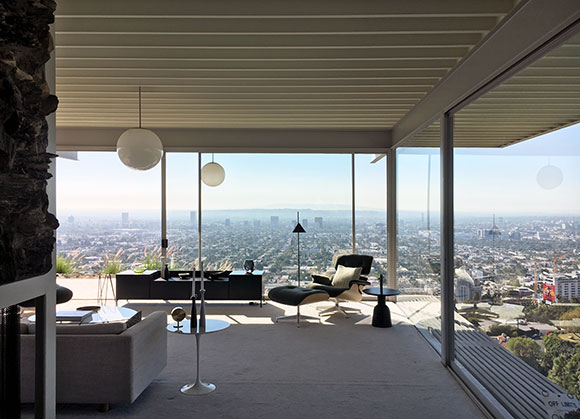
Stahl House, Case Study House #22, Los Angeles, California (photo by Anthony Poon)
Following up on Part 1 of the 661st episode of the podcast, Convo by Design, here are additional highlights (edited for length and clarity). Host Josh Cooperman and I discuss, “Redefining the ‘Strength’ of Southern California Architecture,” and a “tipping point” in architecture.
Anthony Poon: Josh, you’re suggesting that we may be at a tipping point in our industry because of all these things from AI to fires. And the last time we had one was with veterans coming home. That launched a lot of new ideas for Mid-Century architecture.
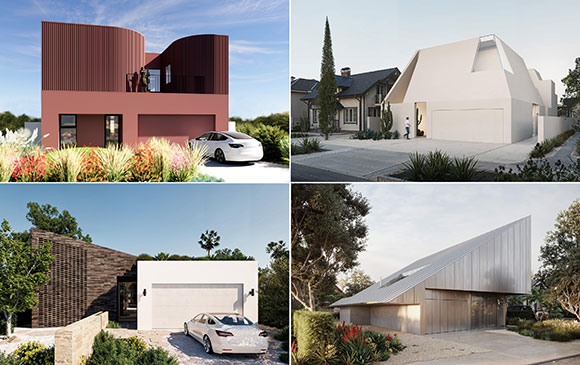
But the interesting thing is that I haven’t yet seen anything impactful come out of all these discussions we’re having. The reference to Mid-Century design is obviously the Case Study program. Right now, there are multiple Case Study-like programs going on. Architects are calling them Case Study 2.0 or Case Study: Adapt. Have any of these houses been built yet? Any of them being permitted? They’re just ideas and renderings. I’m still waiting to see all these new ideas executed. What’s come out of this so-called tipping point?
Josh Cooperman: Can I challenge you on that for a second?
Anthony: Sure.
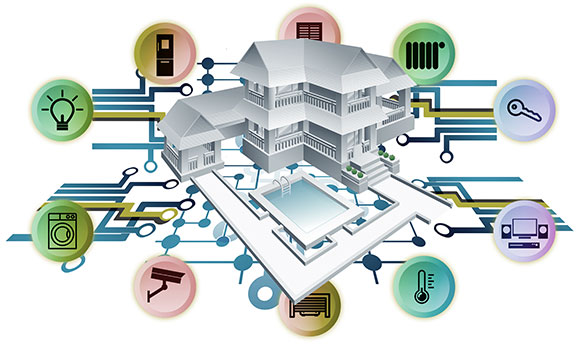
Josh: I don’t know if this is a perfect example, but I was talking to companies that are looking at ways of using technology, using AI, using actuators, using certain things, etc. So here’s the example: A home is wi-fi enabled, and it’s smart enough, and it’s connected to the weather service. When a fire breaks out, it can calculate the direction of the wind, force of the wind, where the fire is, in which direction. If the fire is a mile to two miles away from the home downwind, the house automatically closes the eaves. Is it a perfect solution? No, I don’t think there is any such thing as a perfect solution, but it is a thing. So does that fit as an evolving thought process into a new Case Study program?
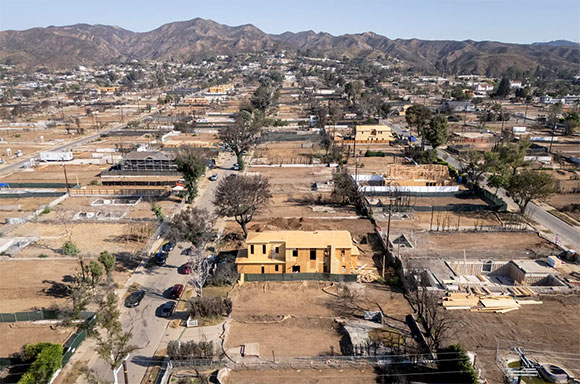
Anthony: I think it does in the sense that these kind of ideas push something larger, which is kinetic architecture. And the fantasy is that if this computer can figure out that a fire is coming, it’d be great if this house could pick itself up and get out of the way. Or maybe the house drops down metal shades or soaks the roof with water. But I think the ideas must be bigger than that, because the fire’s still coming and could wipe out another 10,000 homes.
I think one of the reasons to slow down this reconstruction effort is to look at a new social agenda. We’re basically rebuilding the same way. We’re building spacious single family residences on the same spacious lots, when Southern California is plagued with not having enough housing. There’s a housing shortage. Why aren’t people looking at different density rules? Why isn’t multifamily design one of the more prominent approaches to rebuilding? Why are we just plopping down the same houses on the same lots?
Josh: I think time really does fly when you’re having fun. Let me end it with this. I’m asking you to get your crystal ball out. What is going to be the next and most impactful thing that comes? What’s the next domino in architectural evolution? I’m curious how things are going to change for you in the next 18 months to three years.
Anthony: I know AI is being talked about a lot, but that’s a subset under the umbrella of technology. Actually, what I think is going to drastically change is the role of the architect. We were joking earlier: When doing a house for a husband and wife, we’ve become marriage counselors. Or in working with a family who has lost everything in a fire, we’ve become an emotional support professional/therapist.
I think the role of the architect is shifting, happily expanding into many other things. We are not just designers. We’ve become civic leaders and community engagement experts. We’re rethinking how entire communities and towns should be rebuilt. Josh, you’ve once used the word “futurist,” and architects are that too. We’re looking at social agendas and how we can affect such things through our skills in creativity, design thinking, and problem solving. So my guess is that the role of an architect is going to continue to evolve into broader and broader fields.