#231: ARCHITECTURE AS VILLAIN
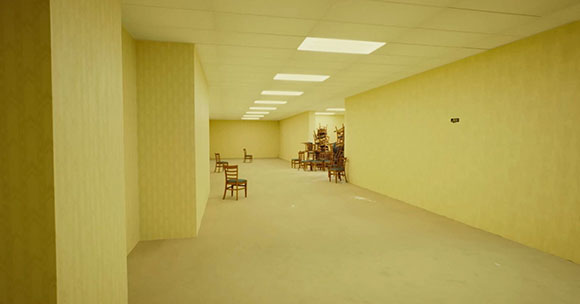
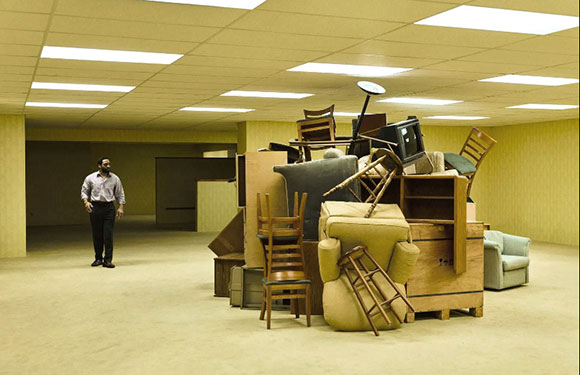
(photo from Backrooms, A24)
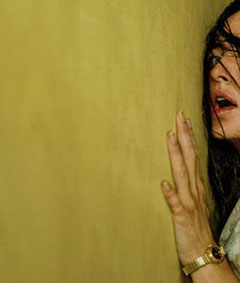
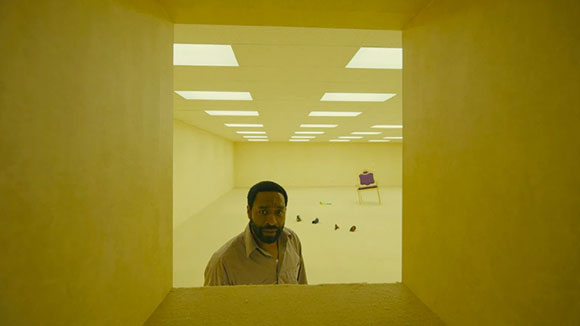
The platitudes are easy: Architecture brings people together; architecture builds communities; architecture uplifts the human spirit; etc. But the 2026 film Backrooms offers a counterpoint: Architecture terrorizes people; architecture holds you hostage; architecture is horror.
Through stage set design, backdrops, and art direction, a film’s production designer is the architect crafting the visual environment of the story. In rare cases, the architecture becomes such a part of the story that it becomes one of the main characters, as in 2024’s The Brutalist or 1982’s Blade Runner.
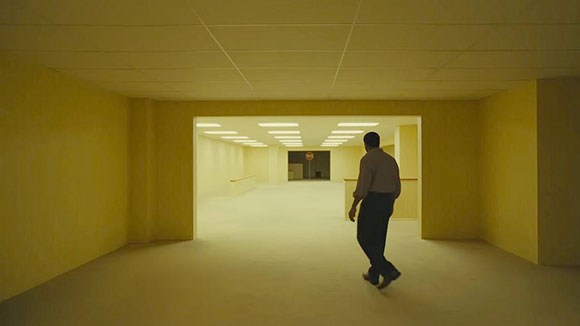
But in Backrooms—a psychological horror movie directed by first-timer, 21-year-old Kane Parsons—the architecture is not just a character within the narrative, but the narrative itself. Within the basement of a furniture store, the owner discovers a world of boundless office-like spaces: yellow wallpapered rooms upon rooms, hallways upon hallways; infinite ceiling gird of fluorescent lights buzzing one to madness; a musty carpeted atmosphere with no beginning and no end punctuated only by unexpected clusters of furniture or bizarre half furniture. Within this damp frightening satire of the American corporate environment, architecture is an ominous threat, a hostile actor.
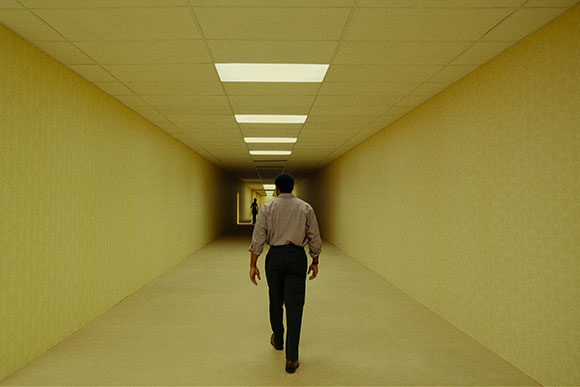
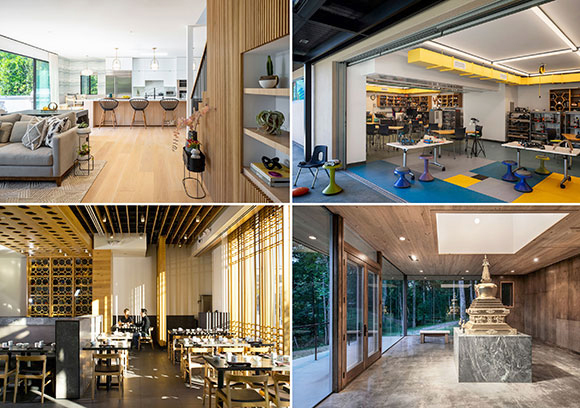
This counterpoint of architecture-to-be-feared is argued through isolation, despair, and violence. Compare this to the architecture of a home where a family grows together. Or the architecture of a school where students learn and socialize. Or the architecture of restaurants where diners gather in communion. Or the architecture of a church where congregation members worship and celebrate.
Within Backrooms, its architecture accomplishes none of these noble virtues, and in turn, is a place of allegorical trauma and bad memories where one hopes to escape. The claustrophobia unleashed upon both the characters and the audience reminds me of Martin Scorsese’s, neo-noir After Hours, 1985. Within, the lead character desperately tries to escape the Soho neighborhood (and architecture) of New York City, portrayed as a surreal and frightening world of paranoia.
A question to ask: Was the architecture of Backrooms created digitally or in reality? To amplify the filmmaker’s ambitions and the architectural panic and dread, this mysterious basement was physically built, 30,000 square feet of creepy liminal spaces set over four soundstages. Meaning, the villainous architecture is real—so real that the lead actor was once lost within the stage set.
Though no explicit references has been made by the film’s studio, A24 (Backrooms is its highest grossing film), I see common ground with Mark Z. Danielewski’s 2000 novel, House of Leaves, about “a house that’s larger on the inside then on the outside.” Similarly, architecture is a malevolent threat.
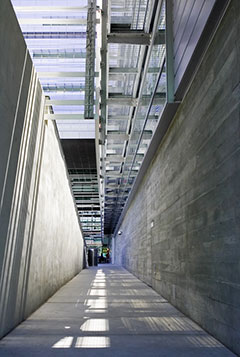
Architecture is not often discussed as unsettling. Ideas like beauty, harmony, and function often establish the baseline. But some disagree. Pritzker-honored architect Thom Mayne of Morphosis promotes an uncompromising philosophy, often suggesting that architecture should confront the world, not just chase aesthetics. Calling his work “rough architecture,” Mayne’s projects are aggressive and complex. His words: “difficult” and “rootless.”
Architecture does not need to be pleasing and well-being. In some cases, it might need to disturb, alarm, even horrify. As architectural historian and educator Spiro Kostof once suggested, “to challenge our intellectual complacency.”
To open our eyes. To keep us on our toes.